
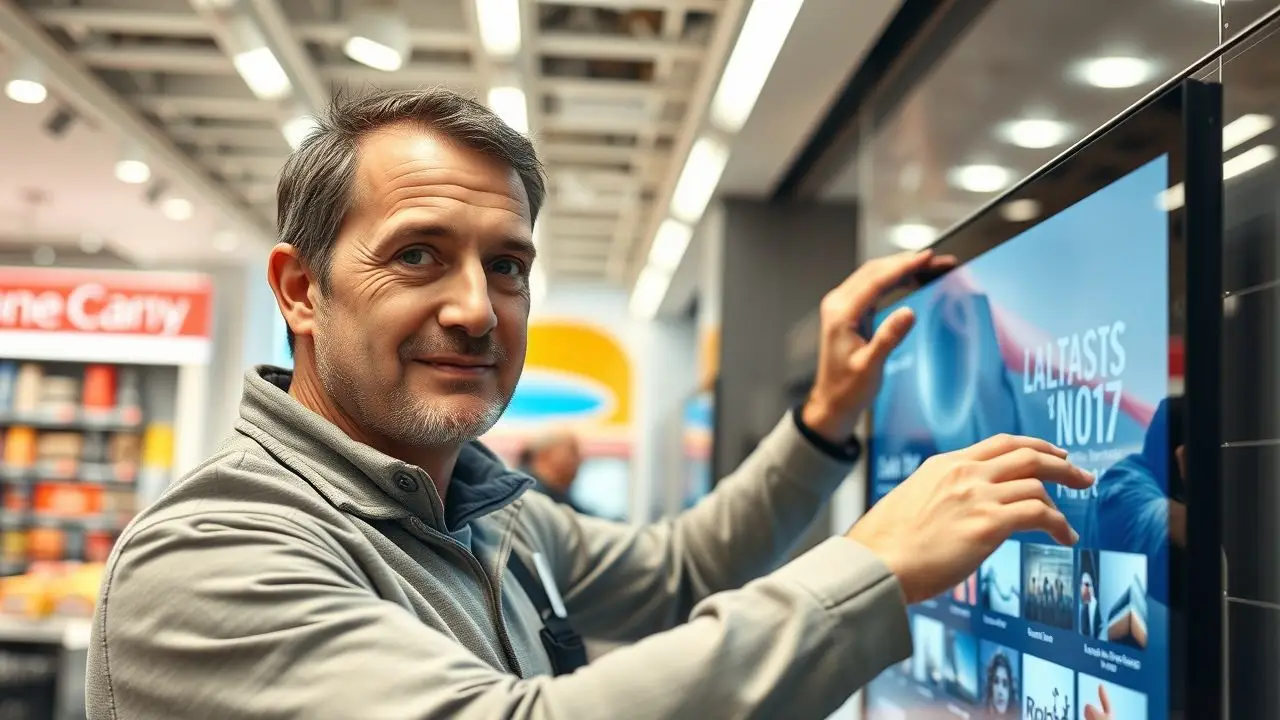
Finding the right way to catch customers’ eyes can be tough. Digital signage is a key tool for this. This blog will show new trends in digital signage to help stores stand out in 2025.
Keep reading to see how.
Key Takeaways
- Digital signs in stores will be bigger and use AI to show what shoppers like.
- Screens will also save energy and use recycled stuff to help the planet.
- Stores will have fun tech like AR and VR for customers to try products in cool ways.
- QR codes and AR link online shopping with being in the store, making buying smoother.
- Personal touches in ads and deals, based on what you like, will make shopping better.
Digital Signage Goes Big (and Smart)
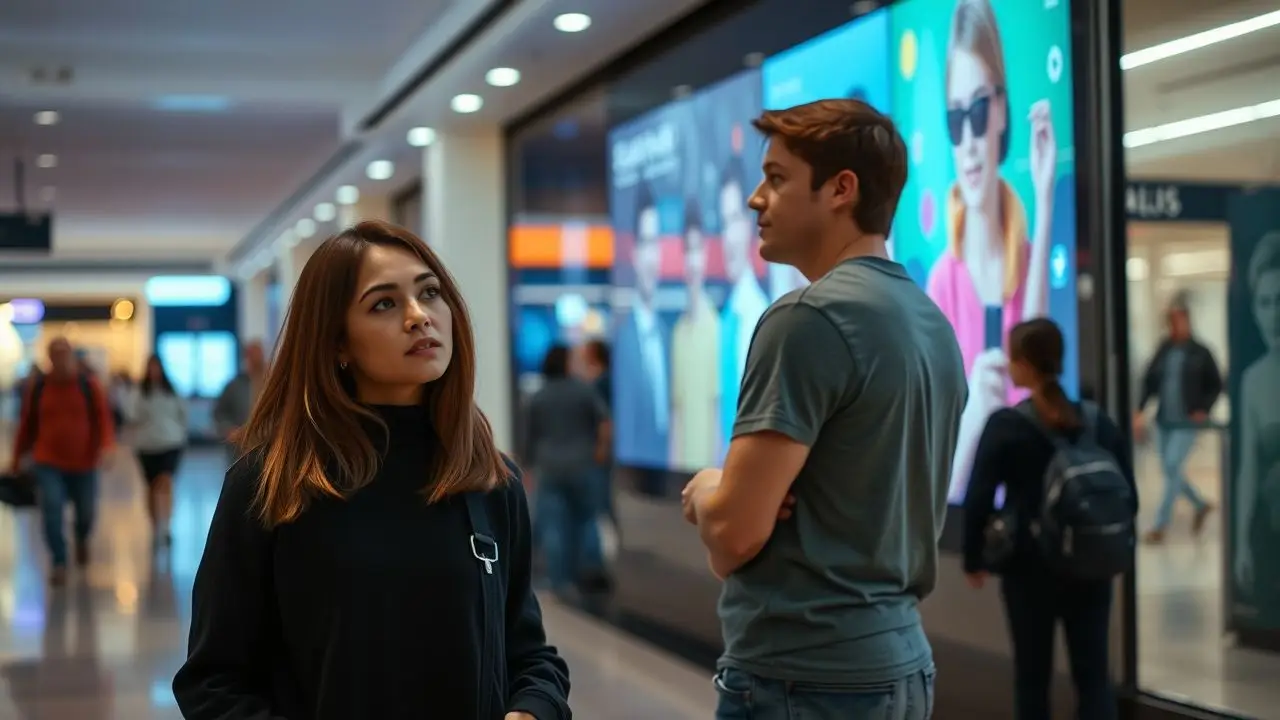
Digital signage is getting bigger and smarter. Stores will use larger screens that show clearer images and even use AI for better customer interaction.
Increase in screen size

Screens in retail stores are getting bigger. Larger displays grab more attention. They show bright images and clear messages. Bigger screens help customers see products better from a distance.
Retailers are using advanced signage technology to make these large displays even smarter. New AI features allow screens to change content automatically based on what shoppers want.
This boosts customer engagement and makes the shopping experience more interactive. As screen size grows, so do opportunities in the digital signage future for retail advertising trends.
Integration of AI technology
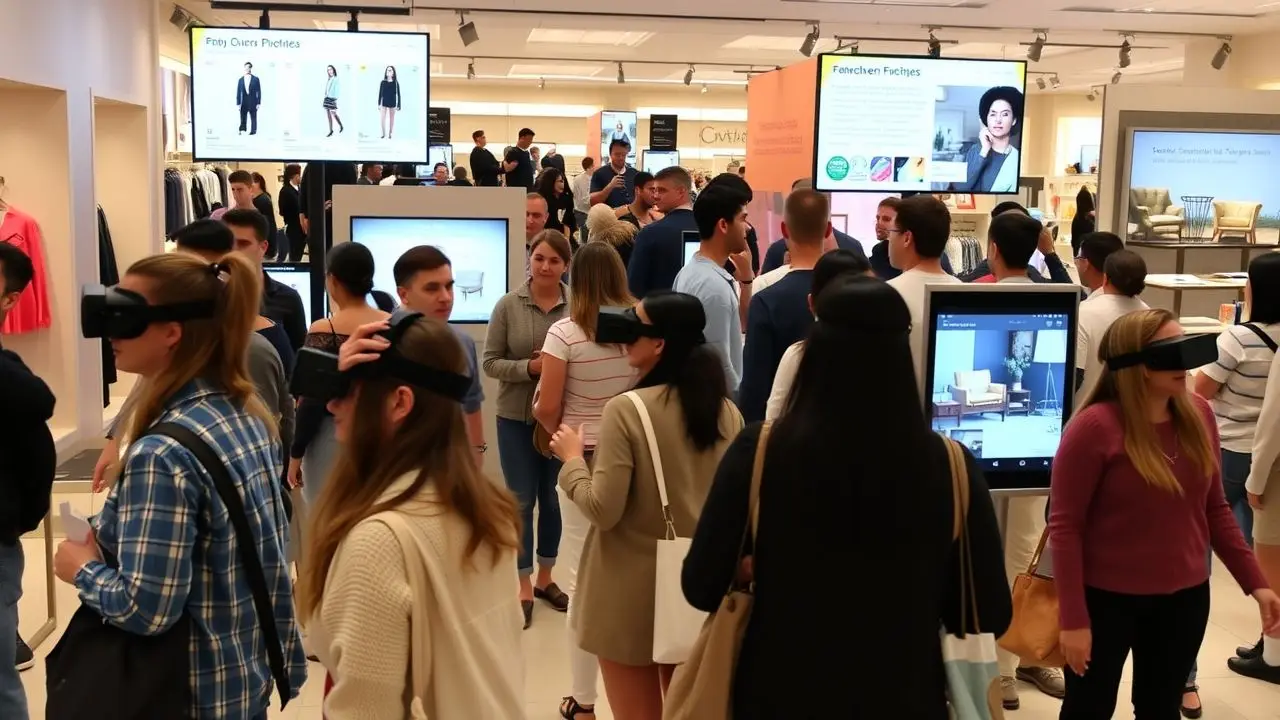 AI technology is changing how retail displays work. Smart screens can learn from shoppers. They show products based on what customers like. This makes shopping more personal and fun.
Stores can track customer behavior in real-time with AI systems. These insights help create better experiences for each visitor.
Augmented reality (AR) and virtual reality (VR) also benefit from AI tech. Customers can try on clothes without stepping into a fitting room. With AR, shoppers see how furniture looks in their homes before buying it.
This interactive retail experience drives sales and keeps customers engaged. The future of visual signage relies heavily on these smart technologies to offer unique and exciting displays that attract attention.
Enhanced visual clarity
Digital signage in retail is getting clearer and sharper. New screens use high-definition technology to show images and videos with great detail. This makes products look better and catches customers’ eyes quickly.
Better visual clarity helps stores share messages more effectively. Shoppers can easily read signs from a distance. It improves the overall customer experience by making information clear and striking.
Retail display trends are focusing on this to attract attention and drive sales.
Interactive and Immersive Experiences
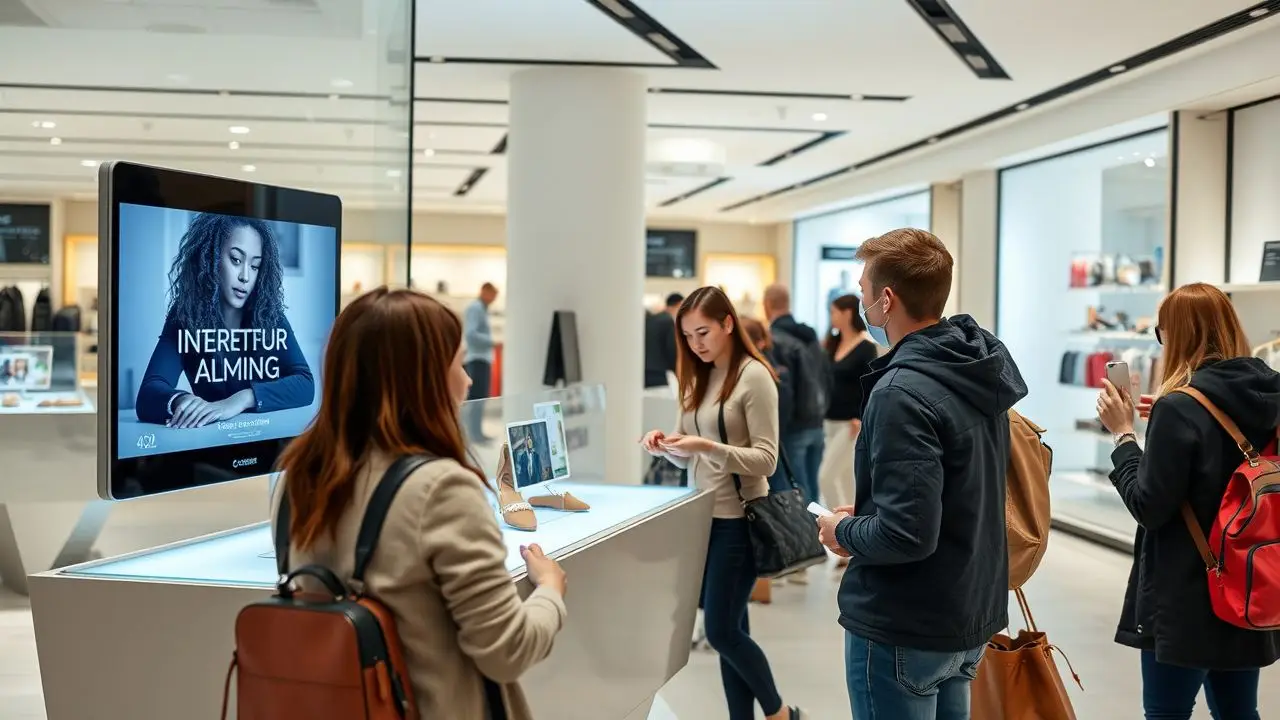
Interactive displays will change how shoppers engage with products. They can use motion sensors and AR to create fun adventures in stores.
Integration of AI and motion sensors
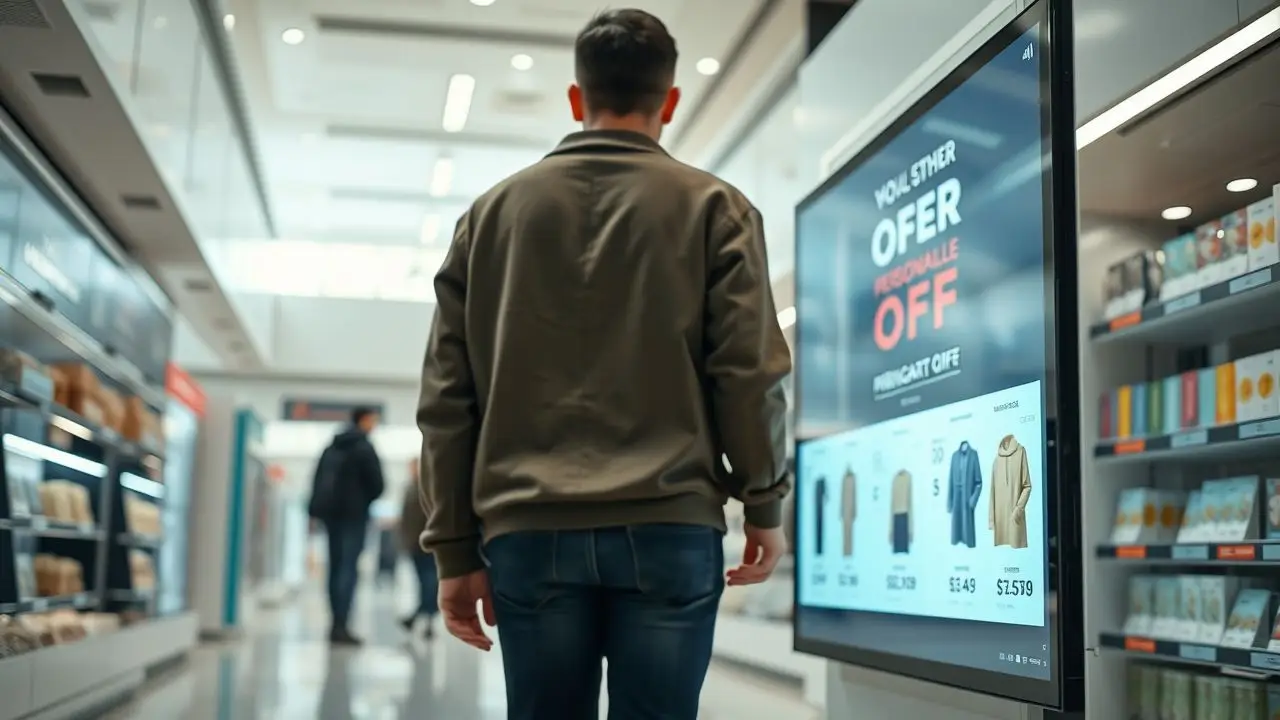
AI and motion sensors enhance retail experiences. These technologies help stores create engaging displays. AI can analyze customer behavior in real-time. It allows signage to change based on what shoppers do.
For example, if someone walks close, the display can show special offers.
Motion sensors track movement around the store. This data helps retailers understand foot traffic patterns. Retailers use this information for smart advertising. Together, AI and motion sensors improve interactive retail experiences and drive sales growth in 2025.
Use of augmented reality and virtual reality
Augmented reality (AR) and virtual reality (VR) are changing retail stores. These tools create fun, interactive experiences for shoppers. AR adds digital images to the real world. For example, customers can see how a piece of furniture looks in their home before they buy it.
VR takes shoppers into another world. They can walk through a store or try on clothes without being there.
Shoppers enjoy these unique experiences. They feel more connected to brands. Retailers using AR and VR see higher sales because people are excited to learn about products in new ways.
A study showed that 40% of consumers would pay more for items if they could use AR features first-hand. This trend shows how important technology is in retail today, making shopping fun and engaging with personalized retail experiences.
Multi-screen experiences
Multi-screen experiences are growing in retail. These setups engage shoppers by using several displays at once. Different screens can show various content or work together to tell a story.
This approach draws customers in and keeps them interested.
Shoppers can watch videos, see ads, or interact with the brand through touch displays. Such strategies make shopping more fun and memorable. Retailers use these experiences to connect better with customers and boost sales.
With advances like AI in retail, multi-screen setups will only get smarter and more interactive over time.
Sustainability-Driven Innovations
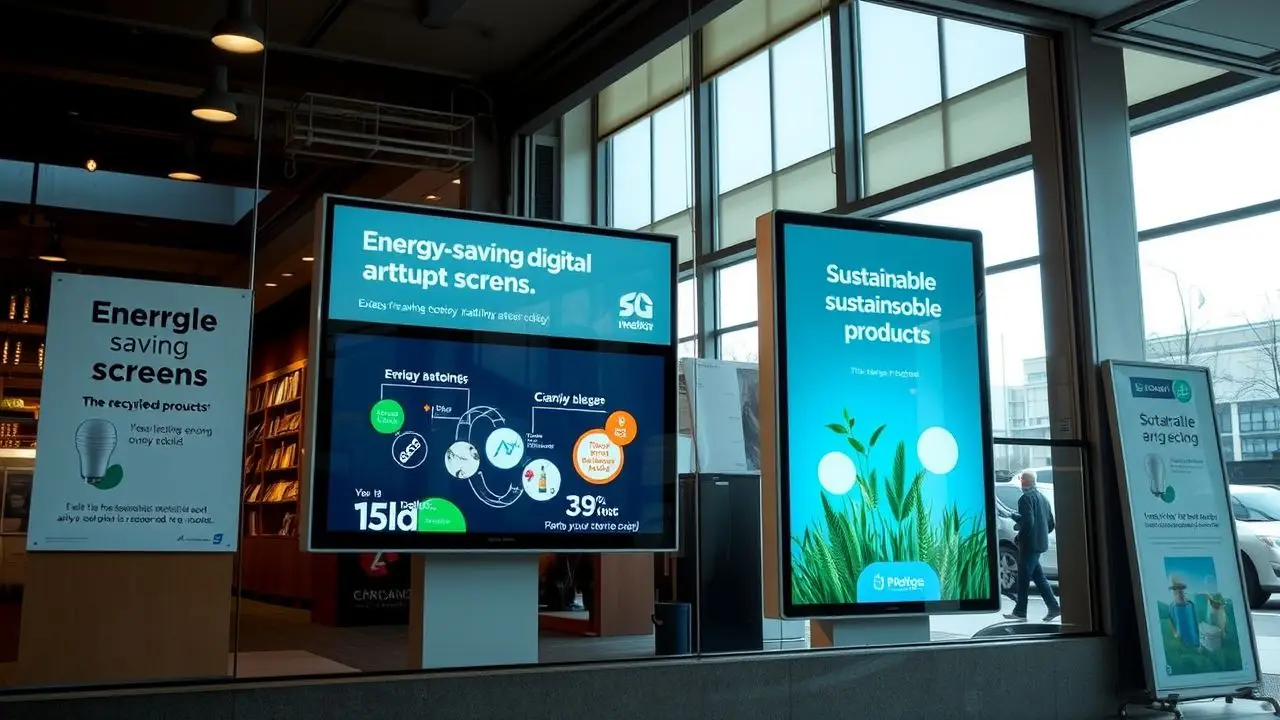
Retail stores will use energy-saving screens and recycled materials for their signage. This shift helps the environment and cuts costs. It shows a commitment to a greener future. Want to learn how this affects retail? Keep reading!
Use of energy-saving screens and materials
Energy-saving screens are changing the digital signage industry. These screens consume less power, which helps reduce costs for retail stores. Many signs now use LED technology. This type of lighting is bright and clear, but it uses much less energy than older options.
Stores also focus on materials that are friendly to the environment. They use recycled materials in their displays. This not only helps the planet but also attracts eco-conscious customers.
Retailers see that going green boosts their brand image and sales at the same time. Using energy-efficient technologies supports both sustainability and innovation in retail environments.
Incorporation of recycled materials in signage
Retail stores are now using recycled materials in their signage. This trend helps reduce waste and protect the environment. Many signs made from plastic or paper come from used materials.
These signs can be just as bright and clear as new ones.
Using recycled materials also shows customers that a store cares about sustainability. It connects with shoppers who value eco-friendly practices. Stores that use these materials often stand out in the crowded market, creating a positive impression on buyers.
This kind of retail innovation enhances both digital advertising trends and visual communication trends, making stores more appealing to visitors.
Seamless Integration of In-Store and Mobile Media

5. Seamless Integration of In-Store and Mobile Media: Retailers can use QR codes and augmented reality to connect online shopping with in-store visits. This links the two channels for a smooth customer journey.
Want to learn more about these trends? Keep reading!
Utilizing QR codes and augmented reality in-store
Stores are using QR codes and augmented reality (AR) to create fun experiences. Customers can scan QR codes with their phones. This gives them instant access to more information about products.
Stores use AR to show customers how products look or work in real life without leaving the shop.
These tools help make shopping easier and more engaging. They provide an interactive display that draws customers in. By combining these technologies, stores improve the omnichannel experience for shoppers.
More people will enjoy using digital marketing techniques like these in retail settings.
Personalization through predictive analytics and real-time data
Personalization is key in retail. Predictive analytics helps stores understand what customers want. This technology analyzes data from past purchases and browsing habits. Retailers can tailor their offerings based on this information.
For example, if a customer often buys running shoes, they might see promotions for new athletic gear. Real-time data makes it even easier to connect with shoppers.
Integrating personalization tools boosts the shopping experience. Interactive displays can show personalized ads or offers as customers walk by them. Stores that use augmented reality let shoppers visualize products better based on their preferences.
Combining these elements encourages more purchases and keeps customers engaged in-store and online. Retail technology is evolving quickly, making personalization vital for success in 2025 and beyond.
Importance of a strong online presence and digital marketing strategies
A strong online presence is vital for retail stores. Many shoppers now research products online before visiting a store. Retailers need to connect with customers through digital marketing strategies.
This includes social media, email campaigns, and an easy-to-navigate website. These tools help attract more foot traffic to brick-and-mortar stores.
Using technologies like augmented reality can create exciting in-store experiences. QR codes may offer instant discounts or information on products. These methods personalize shopping and keep customers engaged.
Strong online marketing boosts sales and builds loyalty among shoppers in an age where ecommerce rules the market.
FAQs
1. What are the top digital signage trends for retail stores in 2025?
The top digital signage trends for retail stores in 2025 include interactive display trends, augmented reality, and touchscreen technology.
2. How does IoT play a role in instore technology trends?
IoT plays a key role in enhancing point of sale technology and creating seamless customer experience through smart devices within retail stores.
3. Is virtual reality part of the future of the signage industry?
Yes, virtual reality is set to become an integral part of the signage industry’s future as it offers immersive shopping experiences to customers.
4. How do these new technologies impact instore media trends?
These emerging technologies like augmented reality, IoT and virtual reality are redefining instore media trends by providing engaging and personalized content to shoppers.