
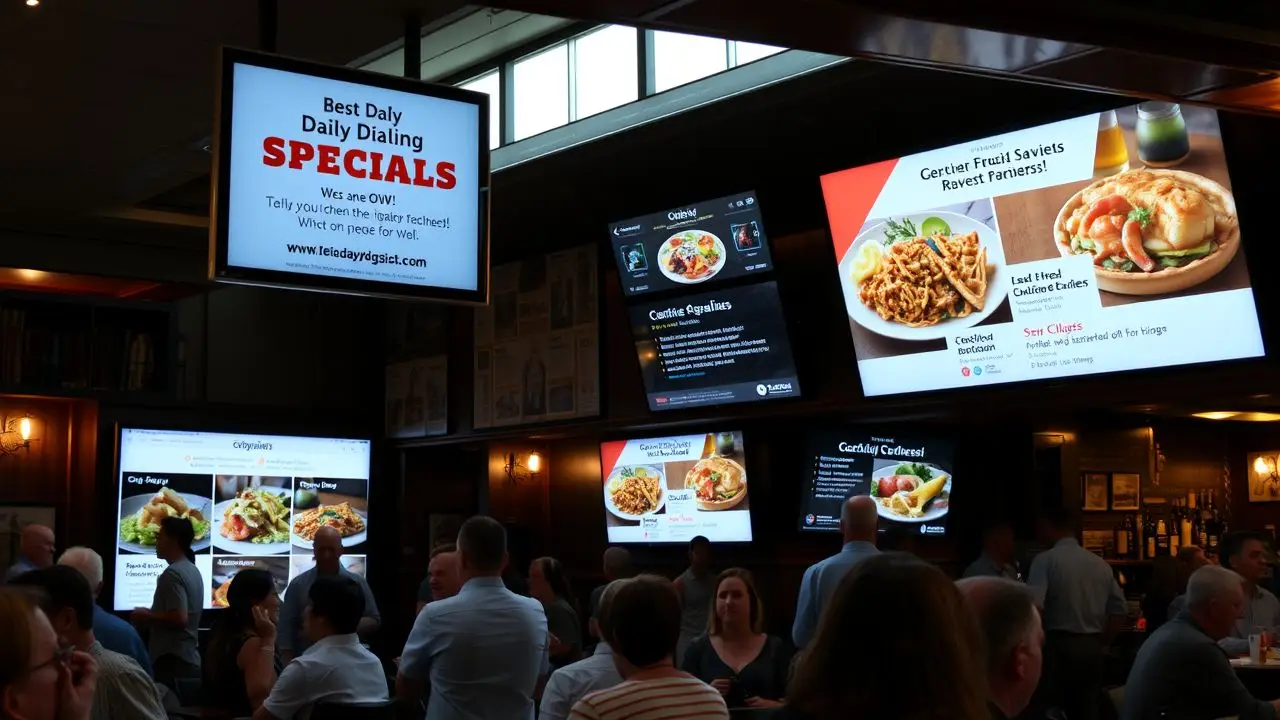
Many food places want to sell more and keep customers happy. Digital signs are now big in the food industry. This post will show how they help from menus to marketing. Keep reading to learn more!
Key Takeaways
- Digital signs change how food places work. They help show new menu items and prices fast.
- These signs make ordering food fun for customers. They also let people order without waiting in long lines.
- Using digital signs can bring more money to restaurants. They show deals that make people want to buy more.
- Signs with Wi-Fi and games on tables keep guests happy while they eat.
- Good spots for these signs can grab more attention, making them work better.
Digital Signs for Menus
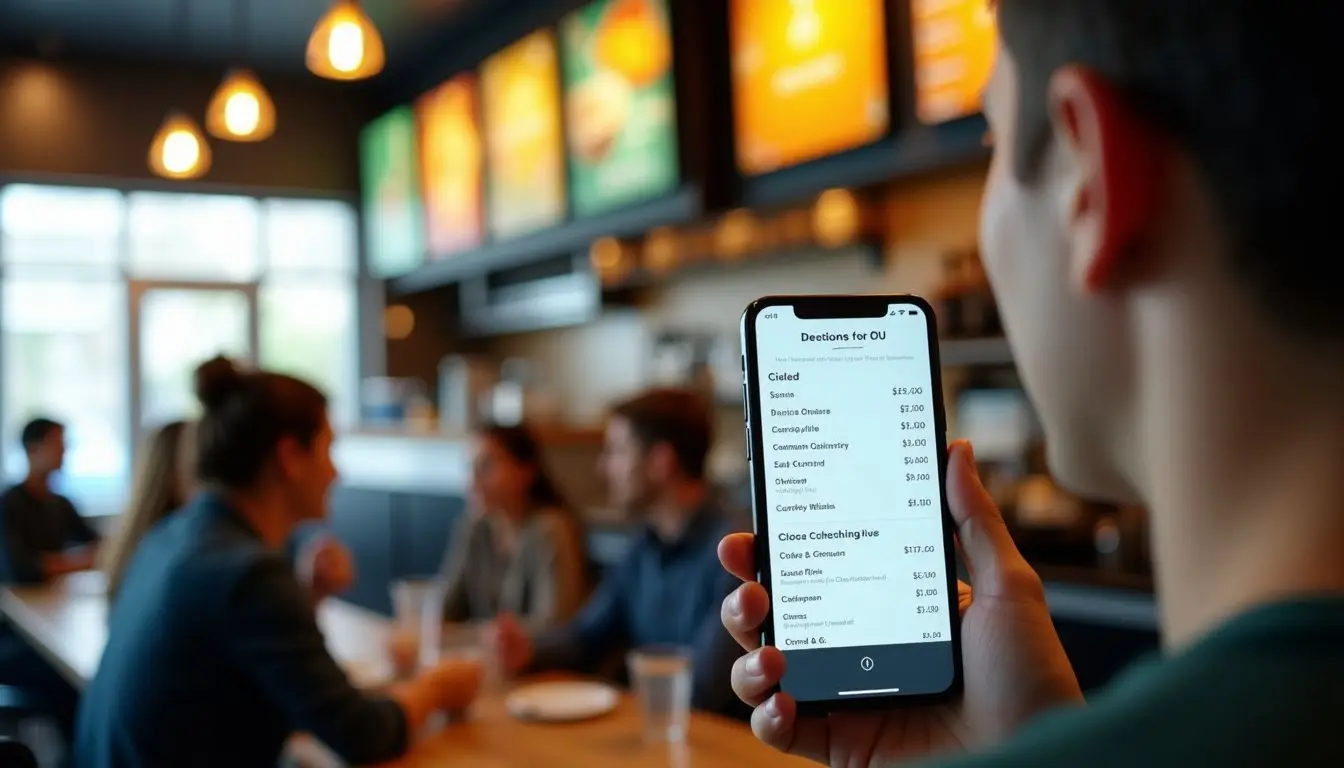
Digital signs for menus offer flexible designs. They change prices easily and update menu items in real-time.
Customizable designs
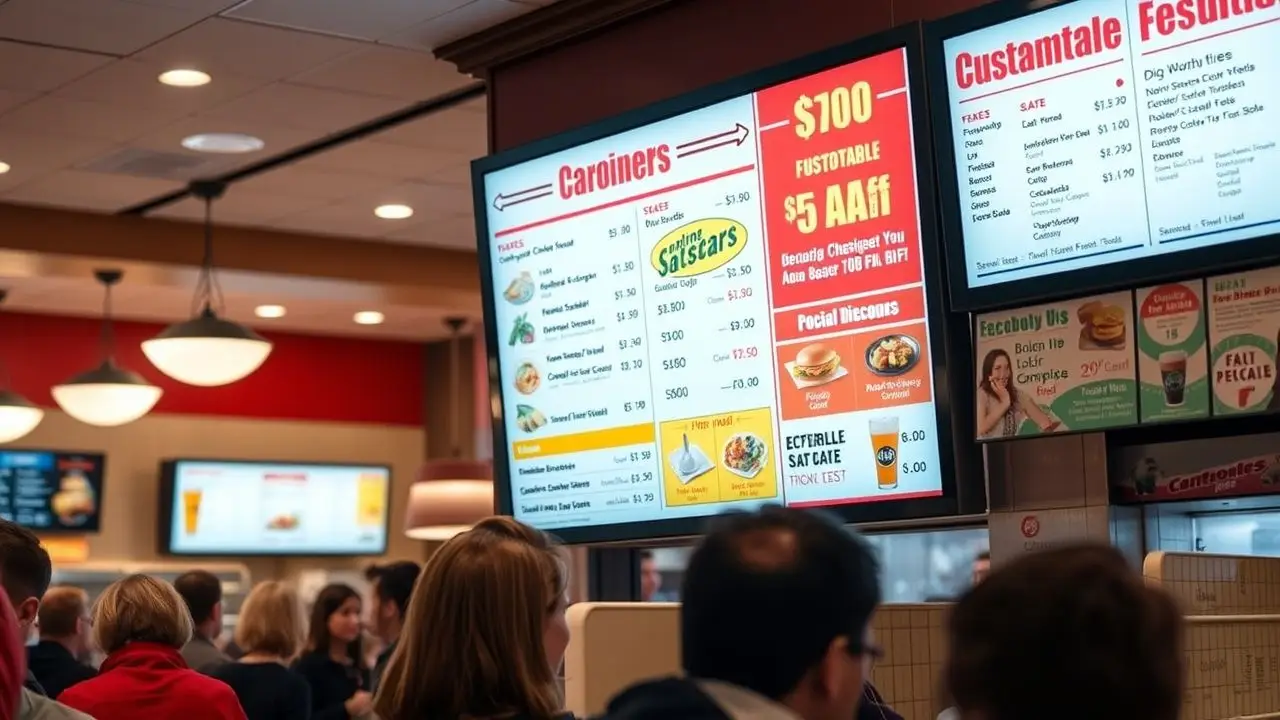 Customizable designs make digital signs very useful in the food industry. Restaurants can change menus anytime. They can add new items or remove old ones quickly. This flexibility helps keep customers informed about what is available.
Bright colors and appealing images attract more eyes. Many places use electronic menu boards to show special discounts or limited-time offers. A first-hand experience shows that these changes often lead to more impulse purchases, boosting sales significantly.
Using dynamic displays keeps the content fresh and engaging for guests at all times.
Dynamic pricing
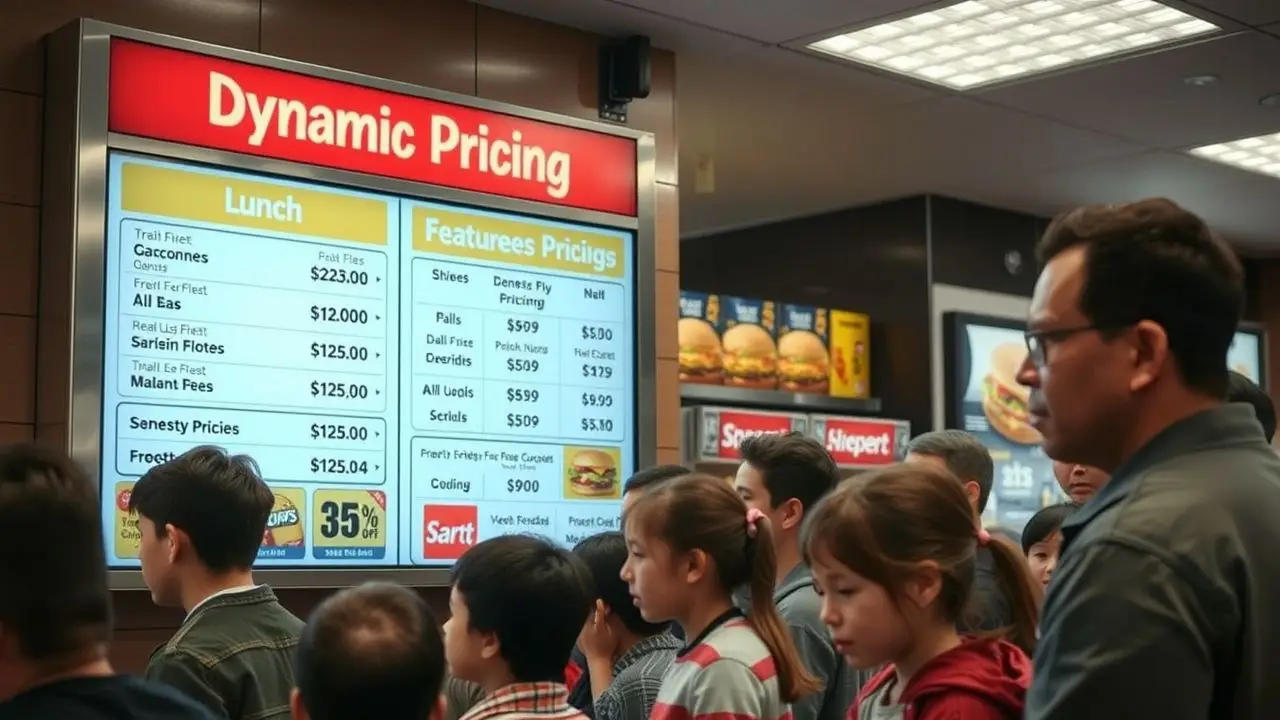
Dynamic pricing offers a smart way to boost sales in the food industry. This method allows businesses to change prices based on demand and time of day. For example, a fast-food restaurant might offer discounts during slow hours.
These real-time menus can attract more customers when traffic is low.
Digital displays make dynamic pricing easy to manage and update. Staff can quickly adjust prices without printing new menus. It saves time and reduces waste. Customers enjoy seeing promotions and discounts right away.
Using this strategy can lead to increased customer engagement and higher revenue growth for restaurants.
Streamlined operations
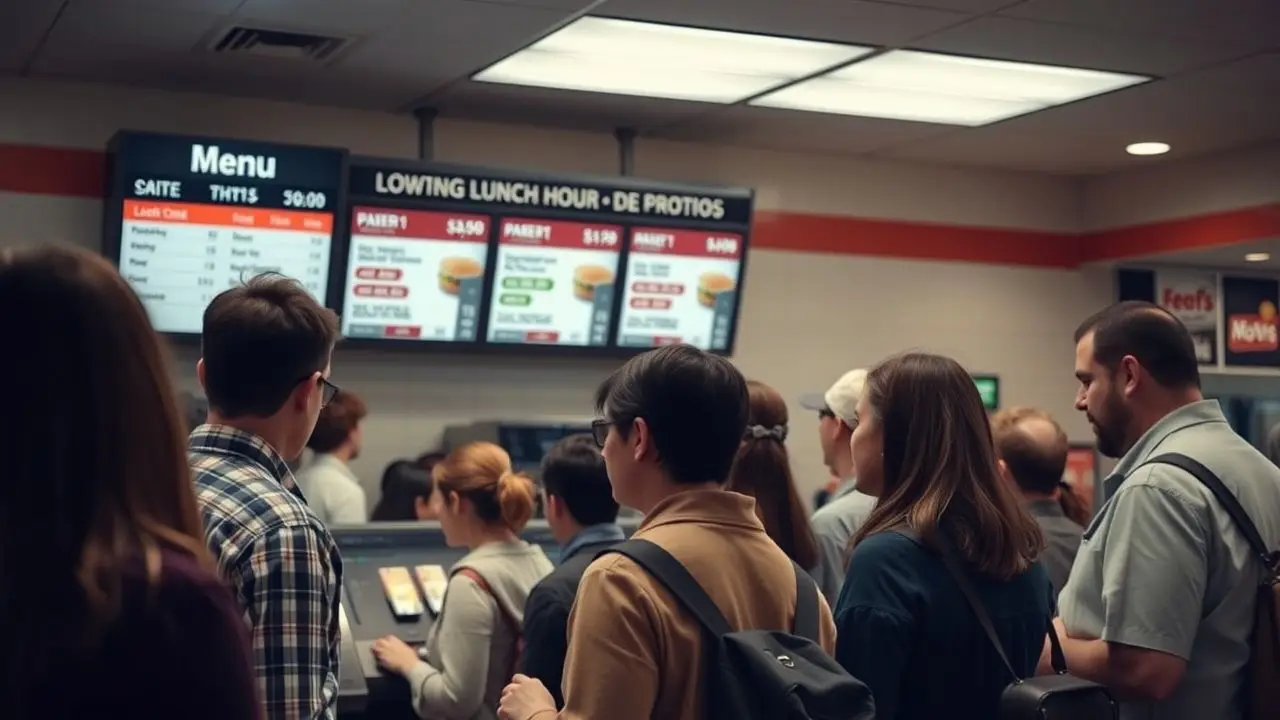
Digital signs help restaurants run smoothly. They update menus and prices quickly. Staff can focus on serving customers instead of changing paper menus. This change improves speed in service.
With digital displays, food service becomes more efficient. There is less chance for mistakes in orders. Self-service kiosks let customers order directly, cutting wait times. These changes boost fast food sales by creating a better experience for guests.
Enhanced ordering experience
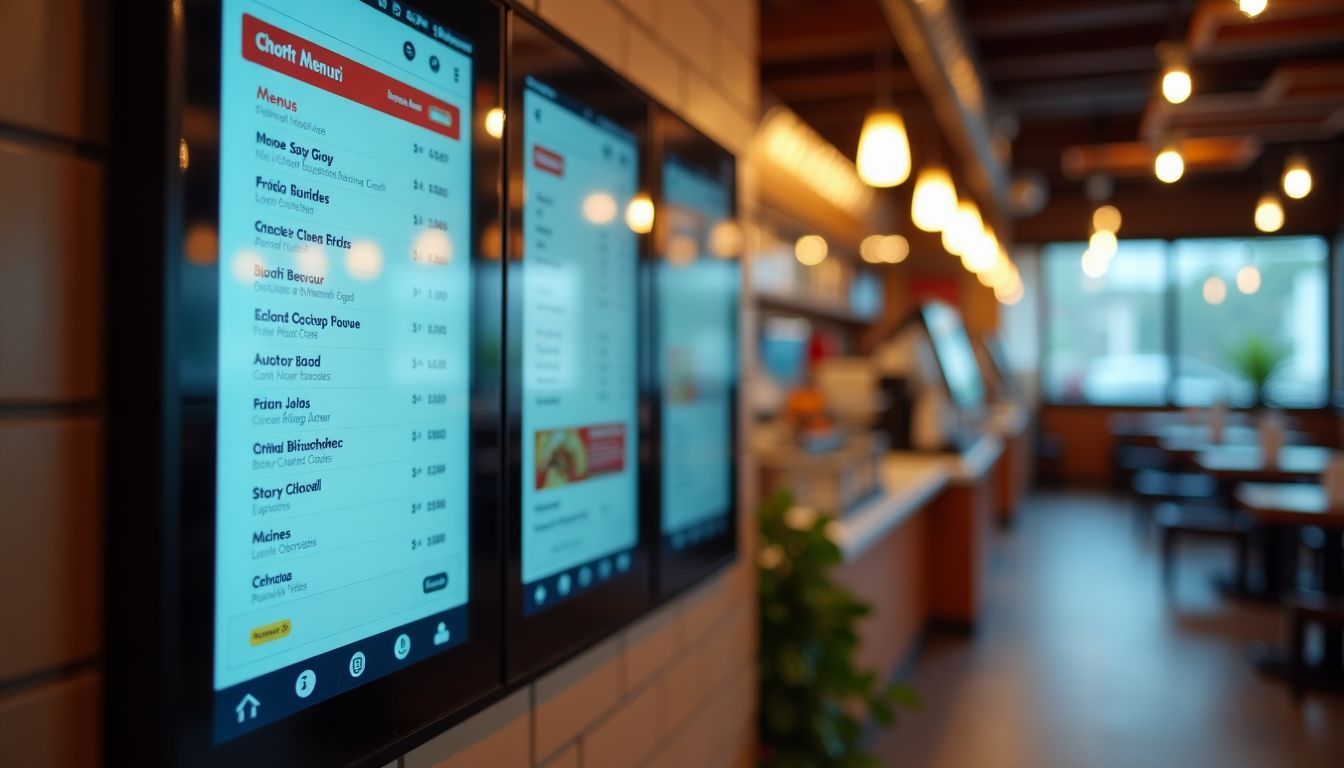
Customers enjoy an enhanced ordering experience with digital signs. These signs show real-time menus. They can easily see all menu items and prices on a bright screen. This makes choosing food fast and fun.
Self-service kiosks are also popular in the restaurant industry. Customers use them to place orders without waiting in line. Interactive signage helps guide guests through the menu, reducing confusion.
Limited-time offers flash on screens, catching attention right away. The quick service keeps customers happy and coming back for more.
Benefits of Digital Signs in the Food Industry
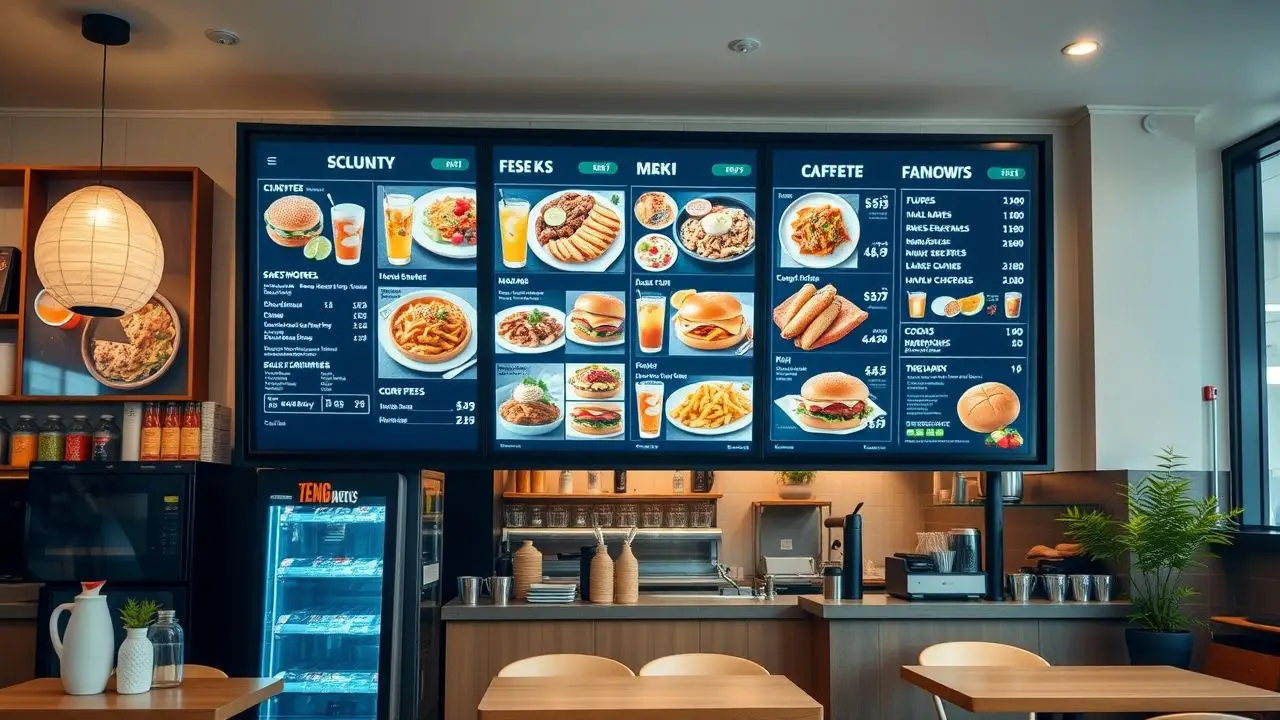
Digital signs boost the food industry by making operations faster and improving customer satisfaction. They help businesses gather useful data too, which can lead to more profits. To learn how these signs can change your restaurant or cafe, read on!
Enhanced efficiency
Digital signs boost efficiency in the food industry. They simplify tasks for staff and customers. With electronic menus, workers can quickly update items or prices. This speed helps keep customers happy and reduces confusion.
Self-service kiosks are another part of this change. Customers place their orders directly, reducing wait times. Some restaurants report a 20% faster order process with these tools.
Enhanced efficiency leads to better service and higher sales. First-hand experience shows that using digital menu boards increases customer flow during busy hours, allowing eateries to serve more guests quickly.
Improved customer experience
Digital signs greatly improve the customer experience in restaurants. They provide real-time menus that show what’s available right now. Customers can read about limited-time offers and tasty dishes easily.
This quick access to information helps them make choices faster.
Self-service kiosks give customers more control over their orders. They can take their time without pressure from staff. Many people enjoy this freedom, which leads to happier diners.
First-hand experience shows that happy customers often return, helping restaurant operations grow and thrive.
Data collection
Digital signs help restaurants collect valuable data. They track customer choices, popular items, and sales trends. This information is key for making smart business decisions.
Using real-time menus shows what customers like most. Self-service kiosks can gather more details about preferences too. With this data, food businesses improve their marketing strategies and adjust offerings to boost revenue growth.
First-hand experience shows that knowing what customers want leads to better service and higher sales in the food industry.
Revenue growth
Revenue growth is key for restaurants. Digital signs can boost sales by showing real-time menus and limited-time offers. This helps attract more customers quickly. Many places use interactive tables and self-service kiosks to make ordering easier.
Using technology in advertising increases interest from guests. A recent study found that digital marketing trends lead to higher profits for food businesses. First-hand experience shows that customers love the visual appeal of dynamic pricing on screens, making them spend more.
With better customer experiences, revenue naturally grows over time.
Other Uses of Digital Signs
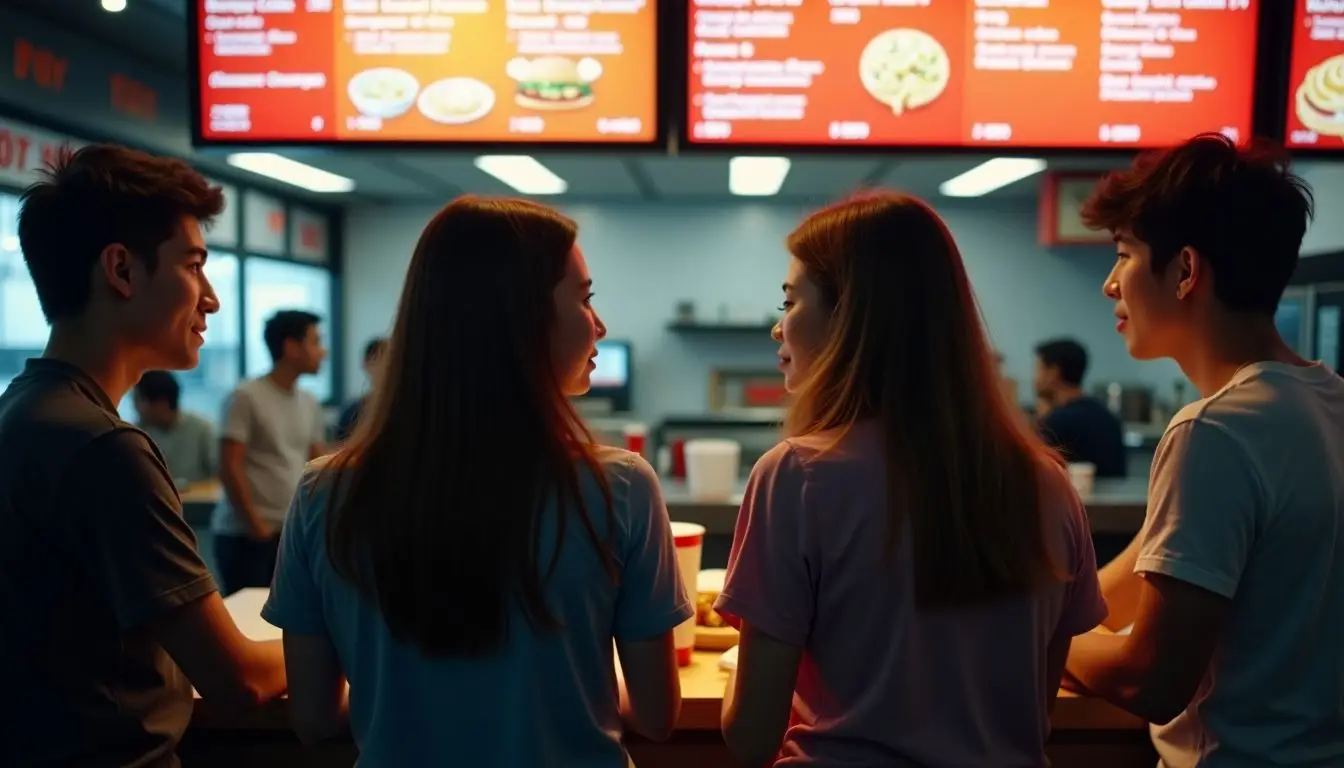
Digital signs can engage customers in new ways. They offer interactive tables for ordering and display promotions to boost loyalty programs.
Interactive tables
Interactive tables change how customers order food. These tables let people browse menus right where they sit. Customers can see real-time menus and even customize their meals. They enjoy the freedom to explore options without waiting for a server.
These tables also boost sales. Limited-time offers pop up on screens, catching attention quickly. Instead of just sitting, customers play games or watch videos while they wait for their food.
This fun experience keeps them engaged and happy, making visits more enjoyable in the food industry marketing landscape.
Wi-Fi marketing
Wi-Fi marketing is a smart way to engage customers. It allows businesses to offer free Wi-Fi in exchange for customer data. Users connect and provide their email or phone number. This creates a direct line to promote special deals.
Digital signs can show these limited-time offers as soon as users log on. Real-time menus display updated prices and items based on what the kitchen has available. Using Wi-Fi also helps collect valuable information about customer preferences, improving future marketing efforts.
Promotion of loyalty programs
Digital signs can boost loyalty programs in the food industry. These signs show limited-time offers and special deals for loyal customers. They grab attention with bright colors and clear messages.
Restaurants use them to remind guests about rewards they can earn.
First-hand experience shows that digital signs make it easier to join loyalty programs. Customers see how close they are to earning a free item or discount. This simple display motivates them to return often, increasing revenue growth for businesses while enhancing customer experience.
Wait time management
Managing wait times is vital for restaurants. Digital signs help with this task. They inform guests about expected wait times. Customers appreciate knowing how long they need to wait.
This feature reduces frustration.
With real-time updates, diners can make better choices. Some may decide to order ahead or explore nearby shops while waiting. Using digital signs allows for a smoother flow in operations.
It supports self-service kiosks too, making the experience more enjoyable for everyone involved. Effective wait time management leads to happier customers and can boost revenue growth in the food industry.
Placement and Content for Digital Signs
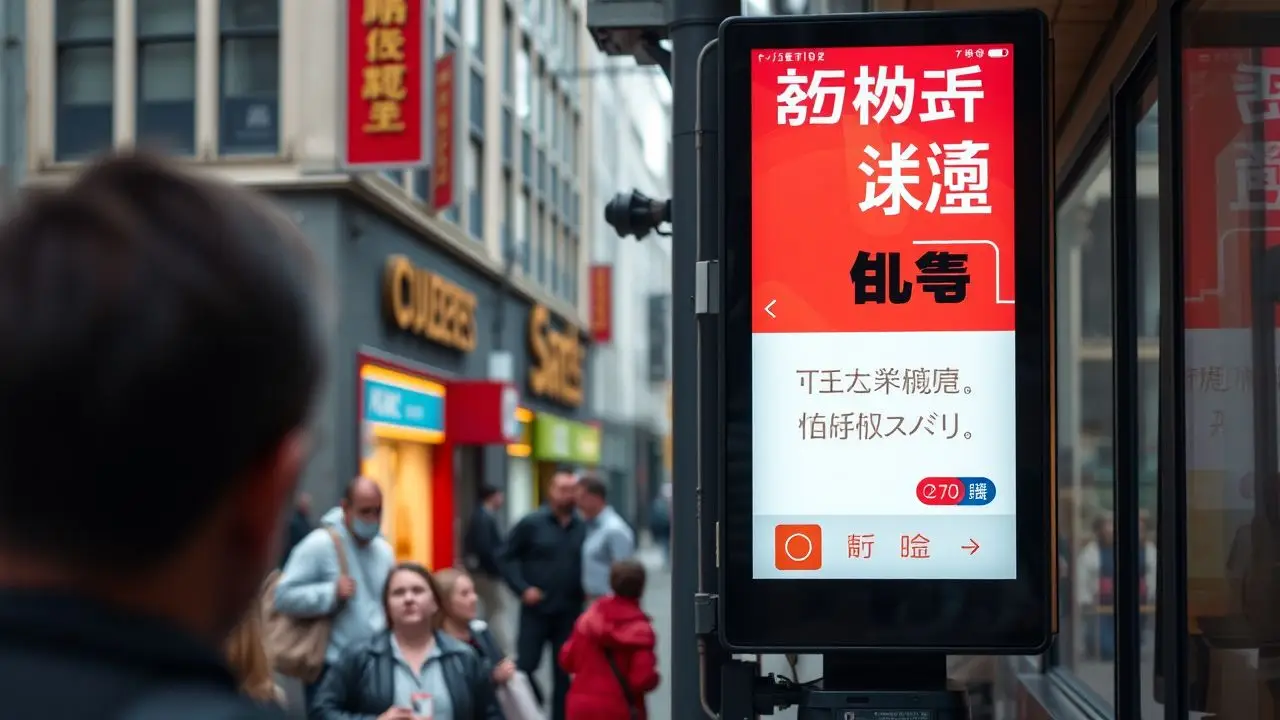
Digital signs need careful placement to catch eyes. Great content makes them more effective and engaging for customers.
Outdoor and indoor advertising
Outdoor and indoor advertising use digital signs to catch attention. These signs show real-time menus and limited-time offers. They attract customers passing by. Bright colors and moving images make people stop and look.
Inside, screens can display menu items or promotions. Self-service kiosks help guests order quickly. They also reduce wait times for food. By using these tools, restaurants boost sales while improving the customer experience.
Digital signs are smart advertising technology that works both inside and outside of food businesses.
Image motifs and guest portraits
Digital signs can display image motifs that reflect a restaurant’s theme. These visuals grab attention and make the space feel inviting. They help set the mood for diners before they even look at the menu.
Guest portraits can also add a personal touch. Showcasing happy customers enjoying their meals builds trust and connects with new visitors.
These images enhance marketing efforts, promoting special offers and events. Limited-time offers become more appealing with eye-catching designs on digital signs. Overall, these elements work together to create a memorable dining experience while boosting customer interest in promotions like loyalty programs or real-time menus.
Utilizing Wi-Fi marketing
Wi-Fi marketing helps restaurants reach customers in new ways. For example, guests can connect to free Wi-Fi at a café or diner. This opens the door for businesses to share offers and news directly with customers.
They can send messages aboutLimited-time offers or showcase their realtime menus.
Using Wi-Fi also allows places to collect data on customer habits. Restaurants learn what people like and when they visit most. This information helps them create better promotions and improve services.
Self-service kiosks can also benefit from this strategy by letting users access the menu while waiting in line. With effective Wi-Fi marketing, food businesses grow stronger connections with their clients, leading to increased revenue growth in the competitive food industry.
Importance of reviews and customer feedback
Customer reviews are crucial for restaurants. They help build trust and attract new diners. Positive feedback can boost sales. Digital signs can display these reviews in real-time.
This gives potential customers confidence to try a restaurant.
Gathering customer feedback is also key for improvement. It allows restaurants to learn about what they do well and where they need to change. Showing this feedback on digital signs enhances marketing efforts, too.
It shows that the restaurant values its guests’ opinions, leading to a better overall experience.
FAQs
1. What is the role of digital signs in the food industry?
Digital signs are a key part of technology adoption in the food industry, transforming everything from menus to marketing strategies.
2. How do self-service kiosks use digital signs?
Self-service kiosks utilize digital signage to display options and limited-time offers, providing an efficient and interactive experience for customers.
3. Can digital signs help with marketing in the food industry?
Yes, digital signs are effective tools for promoting limited-time offers and other marketing initiatives within the food industry.
4. What benefits does technology adoption bring to the food industry?
Adopting technologies like digital signage enhances customer engagement, streamlines operations such as menu updates, and boosts promotional efforts for various offerings.