
Digital signage, with its real-time pollen count updates, markedly enhances environmental awareness and public health preparedness. You benefit from dynamic weather information that includes accurate, localized pollen alerts, updated every two hours. This real-time monitoring, aided by AI and satellite imagery, allows you to make informed decisions about outdoor activities and manage health risks effectively. For deeper insights into how these innovations shape public health strategies, continue to explore the value of this technology.
Key Takeaways
- Pollen counts integrated into digital signage provide real-time health alerts, minimizing risks for allergy sufferers and asthmatics.
- Localized pollen level updates enhance relevance, facilitating personalized and region-specific health planning.
- Frequent two-hour updates ensure signage information reflects current air quality for timely decision-making.
- Dynamic displays of pollen data engage communities, raising awareness and fostering proactive outdoor planning.
- AI-driven improvements in pollen detection and forecasting make digital signage a valuable tool for public health.
Why Pollen Counts Are Critical for Public Health
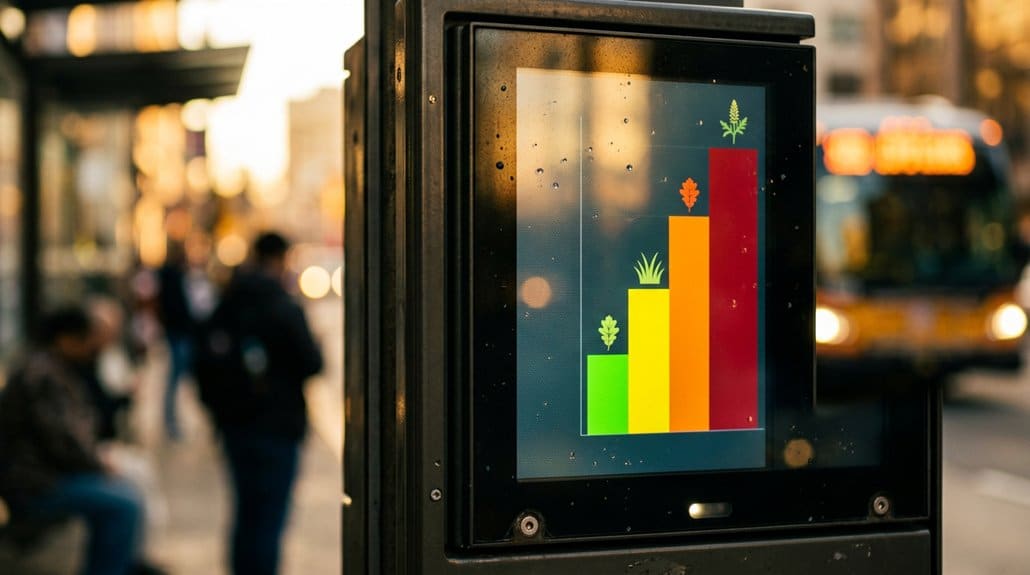
Pollen counts are essential for safeguarding public health because they provide predictive insights that can avert health crises, such as thunderstorm asthma, during peak pollen seasons. Pollen research indicates that high levels of airborne particles contribute considerably to health emergencies, impacting both asthmatics and non-asthmatics. You might not realize the immediate effects, as a 4-5 day lag often separates exposure from health impacts, dramatically increasing emergency room visits. Extensive forecasting is critical; it empowers you to heed timely alerts, especially if you’re part of a vulnerable population. Advances in environmental DNA and satellite imagery bolster prediction accuracy, significant for effective public health planning. Localized data allows communities to preemptively address allergies and respiratory issues, enhancing overall health outcomes.
How Digital Signage Elevates Weather and Environmental Awareness
With digital signage, you can access dynamic weather information displays that provide real-time environmental updates, such as pollen counts, to help manage allergy symptoms effectively. This technology guarantees you receive timely pollen alerts tailored to your location, allowing proactive outdoor planning and minimizing health risks. By integrating pollen forecasting, these displays offer updates every two hours, keeping you informed of sudden changes that might affect air quality and overall health.
Dynamic Weather Information Display
Digital signage has revolutionized the way we access dynamic weather information, offering the perfect solution to elevate environmental awareness. With dynamic graphics, screens can display real-time pollen levels, refreshed every two hours, ensuring that users interact with up-to-date data relevant to allergy management. By integrating localized pollen forecasts, digital signage informs you about current air conditions and alerts allergy sufferers in your area.
Data-driven and detail-oriented, these sophisticated displays pull information from meteorological sources to adjust messages according to prevailing pollen counts, promoting awareness of air quality. This innovative technology combines pollen data with local weather information, enhancing your understanding of outdoor health risks. By tracking pollen trends and seasonal variations, communities can plan outdoor activities wisely, elevating public health consciousness.
Real-Time Environmental Updates
Expanding beyond merely informing about pollen counts, real-time environmental updates delivered through digital signage transform how communities engage with their immediate surroundings. You benefit from the integration of hyperlocal pollen data, which guarantees that these updates are precisely tailored to your region, maximizing their relevance and impact. With dynamic content delivery, digital signage doesn’t just inform you of current conditions; it also forecasts upcoming weather that might magnify environmental impacts, helping you stay prepared.
Pollen Alerts Integration
Although often underestimated, the integration of pollen alerts into digital signage markedly elevates weather and environmental awareness by delivering immediate, localized information vital for those dealing with allergies. By leveraging pollen technology, digital displays offer hyperlocal pollen counts, guaranteeing you stay informed on pollen conditions that matter most.
Consider the benefits:
- Timely Updates: With refreshed data every two hours, you’re always equipped with the latest allergy awareness information.
- Proactive Health Management: Hyperlocal alerts enable better preparation and response, key during pollen surges or thunderstorm asthma incidents.
- Public Health Promotion: By heightening awareness, these alerts support broader respiratory health efforts.
- Targeted Communication: Location-specific ads create a personalized message, resonating with individuals based on their current pollen exposure.
Such integration guarantees you’re both well-informed and well-prepared.
Real-Time Pollen Data on Displays: Benefits Explained
As the world becomes increasingly data-driven, real-time pollen data displayed on digital signage offers allergy sufferers essential, timely updates on pollen levels in their area, helping them make informed decisions about outdoor activities. By leveraging pollen forecasting tools and integrating them into health awareness campaigns, these displays provide critical insights. They pull data from meteorological sources, utilizing AI and remote sensing for precise tracking. This dynamic content adjusts to the ever-changing environment, updating every two hours to maintain its relevance. Additionally, by connecting with the Social Pollen Count App, these signs encourage community engagement and informed interaction with health resources. You’ll find this approach not only heightens advertising relevance but also empowers you to proactively manage allergen exposure, drastically enhancing daily wellbeing.
Localized Alerts via Postal Code Customization
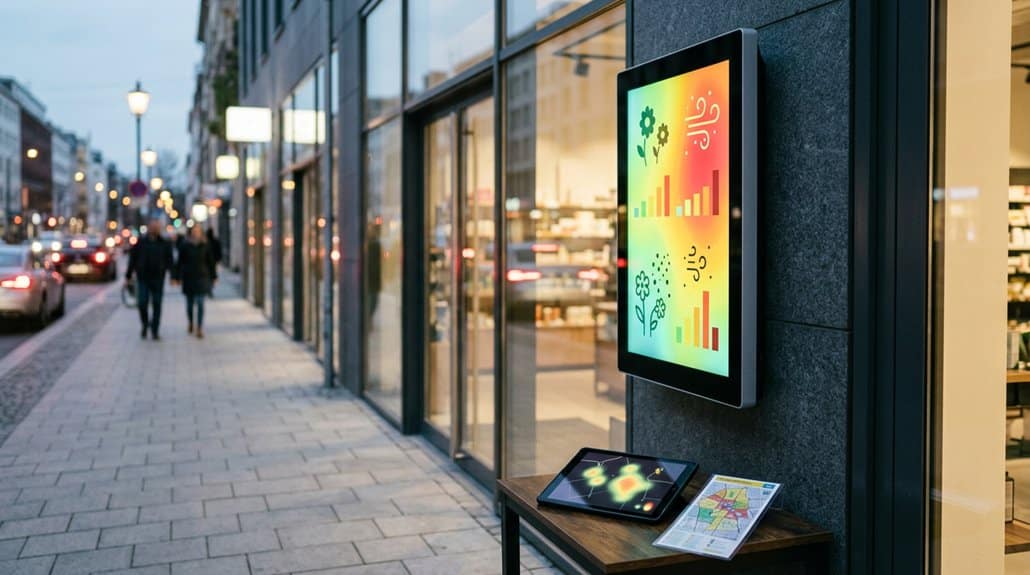
By utilizing postal code localization, you can receive region-specific pollen notifications that are highly accurate and tailored to your environment. This approach enhances data personalization, ensuring that the pollen level information is specific to your area rather than generalized. Such a tailored user experience empowers you to be better prepared and make informed decisions about outdoor activities based on real-time, localized pollen data.
Region-Specific Pollen Notifications
How does postal code localization enhance the precision of pollen notifications? By targeting specific areas, you gain precise insights into local health impacts and seasonal pollen trends, pivotal for allergy sufferers. Here’s how it benefits you:
- Localized Accuracy: Access pollen level data tailored to your specific region, ensuring precise tracking that considers your unique geographical conditions.
- Timely Alerts: Real-time updates every two hours keep you informed about rapid changes, helping you make informed decisions about outdoor activities and allergen management.
- Customized Monitoring: Select areas that matter most to you, allowing for focused alerts that enhance your daily planning.
- Improved Health Management: By knowing exact pollen counts in your area, you can mitigate exposure, thereby reducing allergy symptoms effectively.
Enhanced Data Personalization
While postal code localization might seem a simple tweak, it markedly enhances the precision of pollen notifications by aligning them with your specific environmental conditions. Access to tailored pollen data means you’re not left with generalized figures but instead receive accurate insights—a key for individuals with allergies. This highly personalized approach boosts user engagement by allowing you to track pollen conditions in your preferred areas.
| Feature | Benefit | Outcome |
|---|---|---|
| Postal Code Localization | Accurate Data | Timely Notifications |
| Customizable Alerts | Personalized Warnings | Better Preparedness |
| Wide Postal Code Range | Broader Accessibility | Increased Engagement |
Tailored User Experience
Though you might not often think about it, customizing pollen alerts using postal code data can greatly improve user satisfaction and engagement. By integrating user-specific postal codes, you’ll receive real-time pollen updates every two hours, tailored precisely to your local region. This specificity enhances user experience by enabling you to track pollen levels in the exact areas that affect you personally. Here’s why this regional strategy matters:
- Relevance: Receive forecasts specific to your locale—no more generic data.
- Engagement: Stay informed and manage allergies effectively with relevant alerts.
- Precision: Access accurate, actionable pollen reports for your area.
- Empowerment: Make informed decisions, adjusting your day based on precise data.
This personalized approach speaks directly to your localized needs, enhancing the messaging efficacy.
The Power of Regular Pollen Data Updates
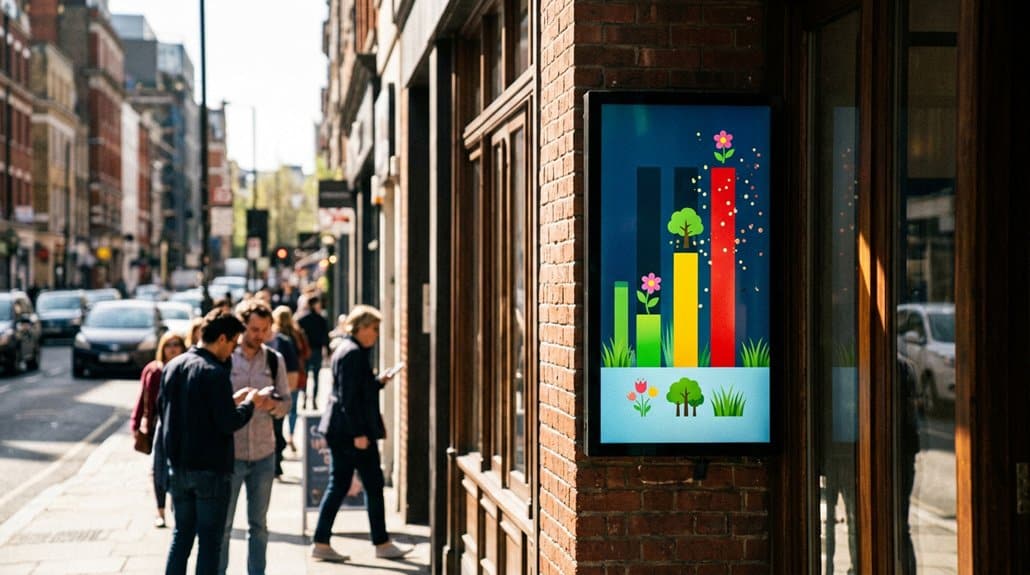
Incorporating regular pollen data updates into digital signage systems revolutionizes how individuals manage their allergy symptoms by providing precise, actionable information. Leveraging real-time pollen tracking enhances allergy awareness by delivering accurate pollen levels in specific areas. With the Pollen Levels App refreshing every two hours, you get dynamic insights into the environment, vital for those affected by seasonal allergies.
This data-driven method supports tailored messaging, especially for hay fever sufferers during peak pollen seasons. By linking digital outdoor advertising to localized pollen counts, you receive messages that resonate personally and can make informed decisions—like staying indoors or taking antihistamines. These up-to-minute updates guarantee you’re effectively engaged and equipped with the essential health information you need to manage allergies confidently.
Boosting Engagement With Interactive Displays
Through innovative integration, interactive displays elevate user engagement by offering real-time pollen count updates and timely allergy information. These interactive interfaces are not only data-rich but also tailored to user feedback, ensuring a personalized experience. Imagine the impact:
- Spot-On Relevance: By refreshing every two hours, users receive current pollen forecasts, keeping your audience informed and returning for more data.
- Personal Touch: Customization options let you choose your local area, making data more relevant and considerably increasing interaction rates.
- Strategic Marketing: With dynamic ads linked to local pollen levels, you’re introduced to allergy relief products when you need them most.
- Community Engagement: Social media integration allows live pollen updates, generating a shared platform for allergy sufferers.
This precise, data-driven approach fosters consistent user interaction and community-building.
AI Innovations Revolutionizing Pollen Tracking
As AI marches forward, the field of pollen tracking is undergoing a transformative shift, leveraging data-driven accuracy never seen before. By utilizing AI algorithms combined with imaging technologies, real-time pollen detection captures holographic images of airborne particles. Automated analysis swiftly identifies allergens, minimizing the typical data lag from days to mere minutes. This precision not only enhances pollen classification but also provides detailed insights into pollen patterns. Advanced sensors correlate these patterns with meteorological data, enabling more accurate health monitoring and allergen identification. These innovations revolutionize the way you track pollen levels, moving beyond outdated methods like sticky tape. With AI’s capabilities, understanding exposure risks becomes more streamlined, supporting immediate and informed decisions about air quality and allergies.
The Future of Pollen Data in Public Health Awareness
AI’s transformative impact on pollen tracking sets the stage for a pivotal advancement in public health awareness: integrating real-time pollen data into digital signage. With pollen data integration, you experience a more informed society driving impactful public health initiatives. Advanced technologies are making a visible difference:
- Timely Alerts: Receive immediate notifications about local pollen levels, minimizing allergy risks.
- Hyperlocal Forecasts: Analyze satellite and environmental DNA data for precise predictions tailored to specific areas.
- Frequent Updates: Stay informed with information refreshed every two hours, ensuring you manage symptoms effectively.
- Plan Activities: Use meteorological data for forecasts on pollen movement, helping you decide when it’s safe to head outdoors.
This proactive approach enhances public health, reducing emergency visits and improving life quality during pollen seasons.
Frequently Asked Questions
How Does High Pollen Count Affect You?
High pollen counts can exacerbate your allergy symptoms, causing sneezing, congestion, or difficulty breathing. It’s crucial for you to reflect on seasonal impact when planning outdoor activities, taking necessary health precautions to minimize exposure and manage symptoms effectively.
How Do Pollen Counts Work?
You’re looking at how pollen counts work by measuring pollen sources and distribution patterns. Traditional methods include sticky surfaces on rotating drums; now, advanced DNA analysis and satellite imaging offer accurate, real-time data about airborne pollen levels.
Is 12 the Highest Pollen Count?
Yes, 12 is the highest pollen count, indicating exposure to significant pollen sources. It intensifies allergy symptoms like sneezing and congestion. Staying informed through reliable data helps you manage outdoor activities and minimize exposure effectively.
What’s the Worst Month for Hayfever?
September’s often like a tidal wave hitting hayfever sufferers, with hayfever symptoms peaking due to ragweed pollen. Data shows it’s the worst month, as kids return to school, interacting more with high pollen environments. Stay prepared!
Conclusion
By integrating real-time pollen data into digital signage, you’re enhancing public health awareness, much like a compass guides a lost traveler. These displays offer precise, localized alerts with regular updates, empowering individuals to make informed decisions. As AI continues to advance pollen tracking, the future promises even more detailed, personalized insights. Embrace the digital evolution in public health; it’s a step toward a healthier, more informed community that’s driven by data and accuracy.